

Last week’s budget may have landed with less force than expected, but it hasn’t altered my long-term view of the UK. While the Chancellor’s softer-than-signalled package offers some short-term relief for growth and markets, it leaves the country’s deeper structural challenges largely untouched. The immediate investment backdrop may benefit to a degree, yet the longer-term outlook for UK assets continues to be shaped by subdued growth prospects, persistent fiscal pressures and a lack of meaningful reform.
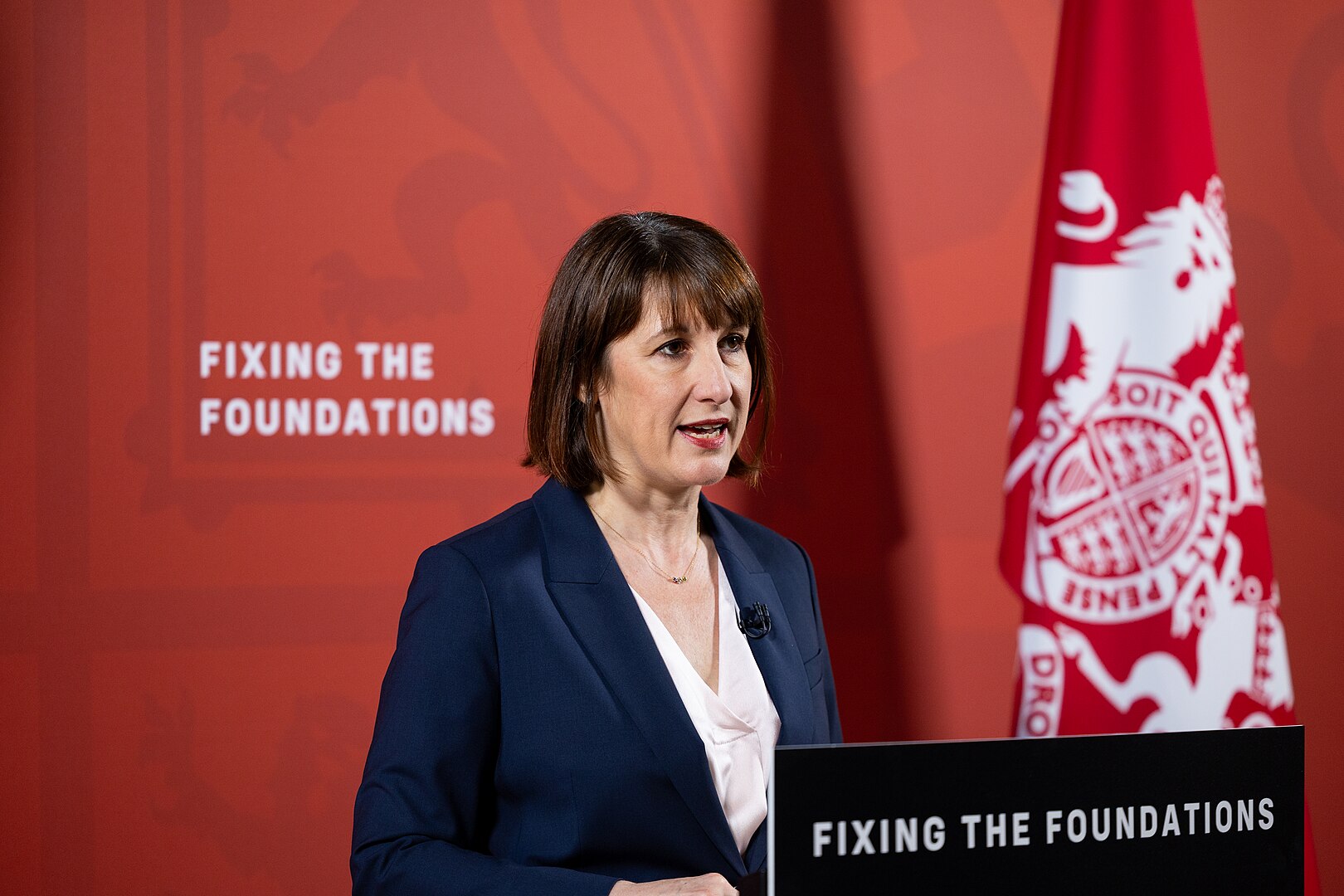
Having fooled the UK electorate and markets into thinking a tough budget was on the way, Chancellor Rachel Reeves chose to deliver a muddle-through package which was less fiscally restrictive than expected. In the budget run-up, Chancellor Reeves hinted at crippling tax hikes and new wealth taxes, which led to a collapse in business and consumer confidence. However, on the day, she instead opted to appease the Labour left with higher welfare spending and energy subsidies, while postponing any major tax increases until 2028 or later.
This budget also stood in stark contrast to the more colourful and robust budget debates of the past and will be remembered for a series of catastrophic blunders by government officials which resulted in an accidental and early release on the internet of all Reeves’ “secret” budget measures an hour before she stood up to announce them.
In the short-medium term (next 3-12 months), the budget will likely be modestly positive for UK growth, since further fiscal tightening has been postponed or delayed. Lower energy bills should help reduce inflation, giving the Bank of England (“BoE”) room to cut interest rates by 0.25% in December. That, in turn, may buoy consumer confidence, the housing market, equity markets and sterling over the coming months. Further out, however, the more stimulatory fiscal stance, combined with a 4.1% rise in the minimum wage, could add to inflationary pressures. This may limit the BoE’s ability to deliver additional rate cuts unless the growth outlook deteriorates meaningfully.
Longer term, though, the budget does little to lift the UK’s disappointing growth or inflation trajectory. Rather than targeting measures to improve labour force participation and productivity, which are absolutely key to improving long-term growth and wealth prospects, the spending increases are targeted on more welfare spending, which is inflationary. In addition, the delayed fiscal consolidation and tax hikes lack any credibility, since there is virtually no chance of any new unpopular measures in the next budget, which is due to be implemented in April 2027, just before a general election. Also, given the hugely challenging and changing global economic and political backdrop, nobody (including the UK Government and BoE) has any confidence in their economic forecasts beyond anything other than the next few months.
Despite the positive spin from Chancellor Reeves, the UK’s fiscal outlook remains precarious. Some of the fiscal savings will almost certainly fail to materialise; the government lacks the political power to push through measures necessary to improve the position and the need for additional defence spending will place further pressure on public finances. I see little signs that the government is taking the necessary and tough decisions that are required to boost long-term growth and wealth. For this to happen, the supply-side damage from misguided policies by successive governments on housing, labour, welfare, business investment, taxation, economic relations with Europe and China and energy needs to be reversed.
A fundamental overhaul of the tax system is also needed – both to retain entrepreneurial talent and to attract meaningful business investment – especially as demographic pressures increase the burden on a shrinking workforce. Ideally, the UK needs an investment boom in AI, data centres and energy production, Cloud computing, biotech and other industries in a similar way to the US, China, Japan and parts of Europe are currently enjoying. This would help boost growth, whilst reducing inflationary pressures at the same time.
Delivering this, however, would require a genuinely transformational government – something the current Labour administration is certainly not, and I’m not sure whether the next election will deliver any different results. This is why I expect the UK economy will likely continue to be one of the worst performers in the G7 over the next few years and why inflation will probably remain relatively high, leading to a continued deterioration in the country’s wealth prospects. There are solutions but it may take the market or an economic crisis to force through the required changes.
This isn’t necessarily bad news for UK equites, and especially the globally focused FTSE100 companies, but it does mean that sterling and longer-dated Gilts will continue to struggle. It also means that sterling investors should continue to ensure they have appropriate exposure to the numerous attractive investment opportunities outside of the UK.