

Key highlights:
- The Iran War could last several weeks/months and the outcome is unclear.
- The key risk for the global economy and markets is a sustained spike in the oil price, which could lead to higher inflation and delays/ reversals in Federal Reserve (“Fed”) rate cuts.
- Global growth, which is accelerating, should be relatively unaffected assuming the conflict is short-lived and does not escalate. This is key for earnings growth.
- Experience from previous similar crises shows that wars such as this, while devastating for those involved, have seldom had a lasting negative impact on markets. At present, we believe this situation is likely to follow a similar pattern.
- This conflict again highlights the changing world order and fracturing economy with the US and China set to compete for years to come. Re-armament, reindustrialisation, technological competition, and greater competition for energy and commodities are all likely to emerge as enduring investment themes.
- A swift conclusion to the war, which is in everyone’s interests, should see a resumption of the equity bull market, with non-US markets and cyclical/value sectors leading the way.
For the global economy and financial markets, this year had started off in a similar pattern to last year with equities moving higher, global stocks outperforming the US, cyclical and value sectors driving the rally and a weaker dollar. That all changed last weekend when the United States and Israel launched a joint attack on Iran, prompting a wave of retaliatory strikes by Iran across the region, including attacks on neighbouring Arab states that many had previously regarded as inconceivable. The conflict underway is naturally very worrying for those caught in the line of fire and will inevitably and unfortunately result in significant suffering and loss of life. Our thoughts are with all those affected at this difficult time.
From a macro perspective, one of the key questions we are being asked is how this war is likely to impact our optimistic views on the global economic and market outlook.
Historical context
Historical precedents are always valuable at times such as this, and we have certainly experienced plenty of similar shocks in the past, such as the 1973 Yom Kippur War, the 1979 Iranian Revolution and the 1991 Gulf War. There were also similar attacks by the US and Israel on Iran last year, but this conflict is larger, more intense and has a very different objective from destroying Iran’s nuclear capabilities, namely to bring about regime change. It is also likely to last longer, and President Trump has himself said that it could last for “four to five weeks. But we have capability to go far longer than that”.
The death of Iran’s supreme leader Ayatollah Khamenei, together with much of the command structure, has created enormous uncertainty about Iran’s political future and there are numerous potential outcomes that are hard to predict at this juncture. However, what is clear is that the path that Iran chooses will have major implications for its own economy, the wider region, oil and energy markets and the global economy and financial markets. Trump’s goal here is not to invade and remake Iran, but to encourage local forces and actors to topple the regime and affect change from within. As our managing director Mark Bousfield discussed in his update earlier this week, this will not be an easy task given the complex nature of Iran’s political establishment and there are clear risks around such a strategy. However, it is also fair to assume that US and Israeli intelligence have already infiltrated the regime and are in contact with senior military figures about a possible coup d’état.
The energy factor
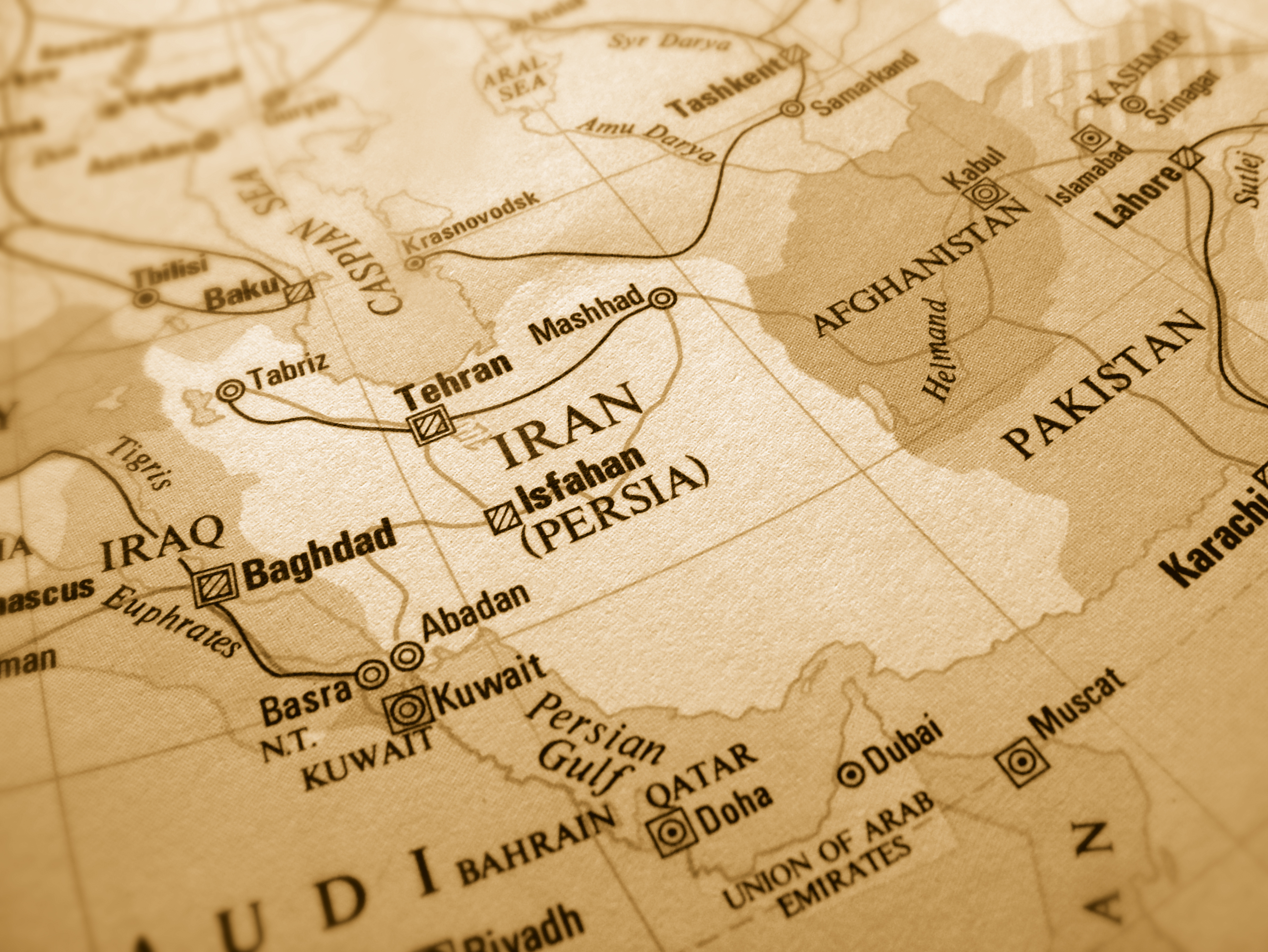
The most immediate and important economic consideration is the impact the conflict has on the price of oil and natural gas. A significant spike in the cost of oil, for example to in excess of $90pb, would act as a form of tax and negatively impact economic activity as well as increase the possibility of higher inflation. In turn, this would lessen the potential for interest rate cuts in the US and make the job of the incoming Fed Chair Kevin Warsh that much harder. This would especially be true if the oil price remained at an elevated level for a matter of months rather than weeks. Iran’s strategy is to raise the cost of conflict for the US and its allies by interfering with shipping and energy supplies, striking at its neighbours to regionalise the conflict and thereby force the oil price materially higher, even if it damages its own economy as a result. The Strait of Hormuz is critical for energy transport with approximately 20% of global oil supplies and 20% of global liquid natural gas (“LNG”) trade passing through the narrow stretch of water. Major disruption to this flow could send oil and gas prices soaring, with China and Asia more vulnerable than others, since these countries rely heavily on Iran and the region for their oil imports.
Whilst this is a genuine concern and risk, there are a number of mitigating factors that need to be considered, and which could lessen some of the negative impact. The global economy has greatly reduced its dependence on fossil fuels, particularly the US, and global growth is being fuelled by the powerful combination of aggressive fiscal and monetary expansion and an AI driven investment and productivity boom. This is unlikely to be derailed by a higher oil price for a few weeks. In addition, the US is able to satisfy its own consumption demand for oil and has significant strategic reserves which it could use to try to reduce the impact of higher global prices. Indeed, China also has significant strategic reserves of both oil and LNG. Furthermore, some of these oil flows could be re-directed via other routes, such as the East-West pipeline in Saudi.
Geopolitical implications
In terms of how and when this might end, there is huge uncertainty and it appears that the war will probably last a few weeks, maybe a couple of months. Disruptions to Persian Gulf oil and gas supplies look very likely. Some form of truce looks the most probable outcome but there are several possibilities here. For example, Iran could agree to talks with the US based around denuclearisation and limits of its missile capability in return for survival. Alternatively, if the US or Israel come under economic or political pressure or run low on munitions, then a truce may result without material talks or concessions. The best-case scenario is a regime collapse/change in Iran, but the possible outcomes here would depend on who takes power or whether anarchy and chaos follow.
However this pans out, from a geo-political angle, this is a further example of the changing world order and fracturing global economy. It shows that the US is willing to act decisively outside of its region despite Trump being viewed as more isolationist. It also highlights the bipolar world where the only plausible challenger to the US is China and everyone else will eventually have to decide who it sides with. Therefore, a sustained US-China competition is the most likely long-term trend with rearmament, reindustrialisation, tech races, competition for energy and other commodities all major investment themes as a result. If the US comes out of this as the victor, it probably makes other conflicts less likely, including Taiwan, which would be good news for the economy and markets.
Market implications and investment positioning
From a market perspective, equities initially showed resilience, but this could change over the next few days and weeks depending on the duration of the war and the impact on energy prices, in particular. It isn’t too surprising that aerospace, defence and energy related stocks are gaining whilst the AI story remains in focus. Incidentally, all of these sectors look attractive longer-term given the evolving economic and political backdrop. Safe havens such as gold and the US dollar are also performing well. In the case of the former, this strengthens my view that gold is in a bull market whilst any rally in the dollar is likely to be short-lived given rising debts and a growing anti-dollar sentiment. Unsurprisingly, emerging market equities are struggling this week after a very good run, given the stronger dollar, possible hit to inflation and disruption to travel and tourism. However, it is a mixed bag here as major energy exporters, such as Brazil, will benefit from higher prices in the near term. In terms of bonds, sovereign issues are unlikely to provide a good hedge here given the threat of higher inflation and the background of rising debt levels and fiscal deficits. Credit markets should hold up better provided the risk to growth stays minimal but a focus on credit quality and shorter maturities is sensible.
Outlook and strategy
In summary, the length, outcome and aftermath of the war are unpredictable at this point. However, Trump is facing tough midterm elections and will not want to see the conflict drag on due to the risk of higher energy prices and inflation. Therefore, there are good reasons to believe that Trump will seek a relatively quick resolution. In the meantime, the global economy remains in good shape with activity expected to accelerate this year. This is unlikely to be threatened by this conflict assuming that it doesn’t last long and any negative impact on energy prices or inflation proves to be relatively short-lived. Indeed, it is conceivable that a more positive outcome could eventually lead to increased peace and stability in the region, lower oil prices and a weaker dollar as disinflationary productivity gains in the US allow the Fed to ease policy.
A swift and positive outcome would soon see a resumption of the equity bull market that began some time ago with stronger growth, rising corporate profitability, falling bond yields and interest rates, excitement around AI and other productivity-enhancing technologies and a weaker dollar as the core tailwinds. It is also very probable that non-US stocks and cheaper cyclical and value sectors would lead the markets higher as they have done for the past year or so. It is also important to remember that history rhymes but doesn’t repeat. We have learned from previous similar crises that the impact of war on the economy and markets is usually transitory and will eventually present some excellent investment opportunities.
I have little doubt that this time around will be the same. However, we also have to factor in that the world is rapidly changing around us, and our job is to react and adapt to that change with the key objective of looking after your hard-earned wealth and continuing to deliver attractive long-term relative and absolute returns in excess of cash and inflation. With that in mind, we will monitor events very closely over the next few weeks and respond as appropriate.