
“Pressure pushing down on me
Pressing down on you…”
Queen & David Bowie (1981)
As has been widely reported, over the weekend the US and Israel targeted Iran with a broad aerial attack resulting in the death of Iran’s Supreme Leader, Ayatollah Ali Khamenei, alongside several other senior figures. It marks one of the most significant political disruptions in the region for decades. For our colleagues and clients in the Gulf, these developments are close to home and understandably concerning. We are thinking of you and hope you remain safe.
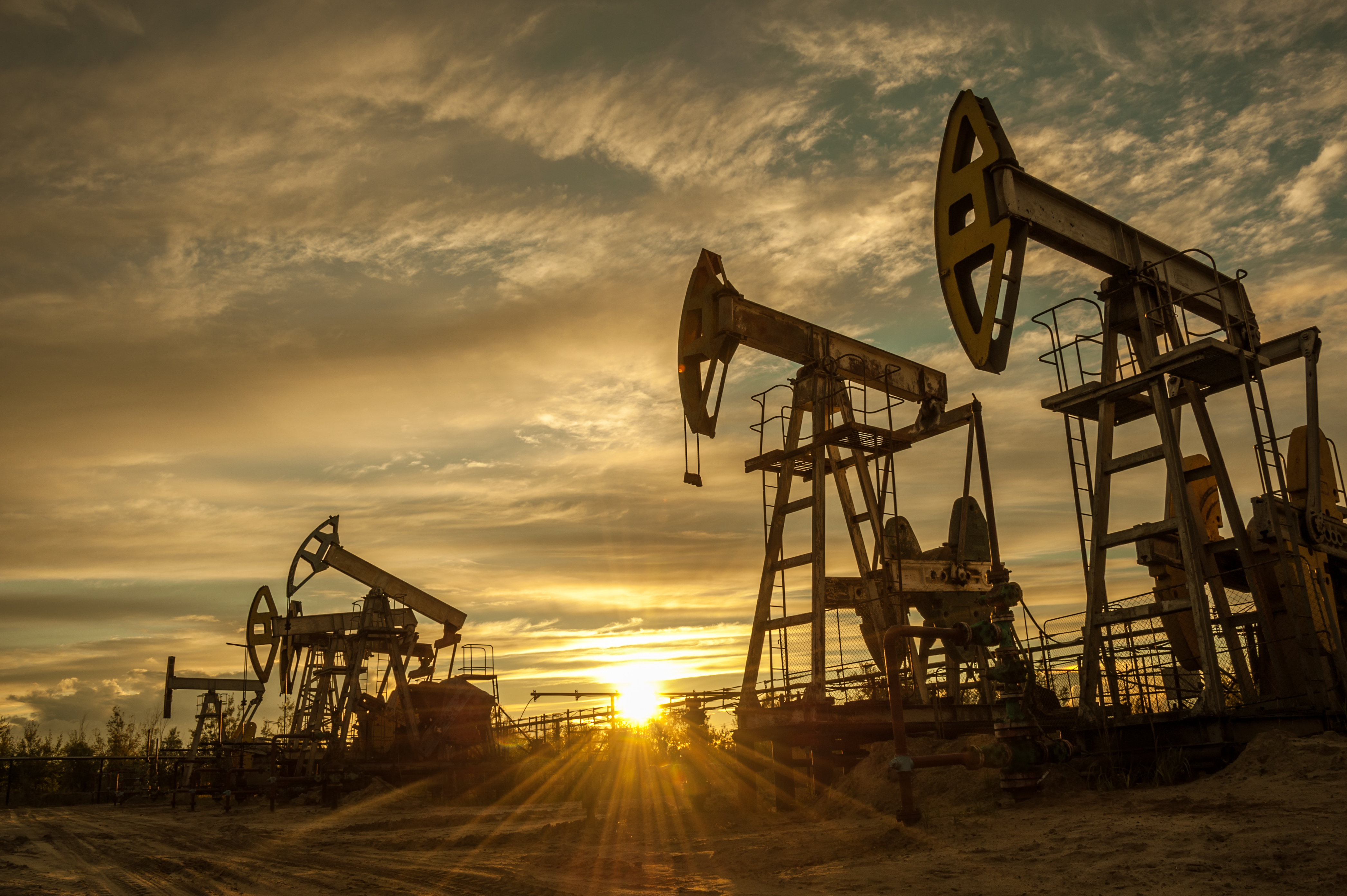
Given these attacks were followed by retaliatory strikes, and with shipping through the Strait of Hormuz largely curtailed, not by formal declaration, but by the withdrawal of war-risk insurance, which in practical terms is just as restrictive, markets have opened under pressure, though by no means in a disorderly fashion. Overnight Japan fell by about 1.35% and Hong Kong dropped 2.15%. As I write, the UK is currently down around 1.5%, whilst the US is down between 50-60 bps. Oil remains elevated, trading above $70. Gold is firmer at around $5,400. None of this is unexpected given the backdrop.
Bloomberg’s John Authers framed the oil outlook neatly over the weekend. A full closure of Hormuz, a genuine tail risk scenario, could propel Brent toward $125. A rapid and stabilising political transition in Iran could just as easily see oil retreat toward $60. Between those extremes lies a third path: flows continue under strain, insurance remains tight, OPEC+ adjusts production and prices stabilise in a higher but contained range, perhaps peaking around $80-$90. So far, markets appear to be leaning toward that middle scenario. The binding constraint at present is not a naval blockade but the insurance market. Commercial shipping has paused because underwriters stepped back within hours of the strikes. That distinction matters. It implies disruption and risk, but not necessarily systemic breakdown.
The deeper uncertainty lies inside Iran. Previous US and Israeli operations were primarily aimed at nuclear facilities and Iranian air defences in order to gain air supremacy, but this weekend’s pattern of strikes suggests something broader: a targeting of leadership and governing infrastructure rather than purely technical capability. In strategic terms, it is clearly an attempt to bring about regime change rather than merely delay nuclear development.
History, however, reminds us that decapitation is not the same as transformation. Removing leadership is easier than reshaping systems. Regime change without a sustained ground presence has never previously been achieved; will technology succeed this time? Power vacuums do not always lead to softer politics. In some cases, it simply creates space for more hardline voices to gain influence. Iran’s internal structure complicates matters further. It possesses two military institutions: the ideologically driven Revolutionary Guard and more conventional armed forces, whose roots predate the revolution. The balance between those forces in the coming weeks may determine whether Iran retrenches or recalibrates. Markets appear to recognise this uncertainty. Oil is higher, gold stronger and equities broadly weaker, although energy and defence stocks are rallying. Importantly, there has not been an indiscriminate dash for the exit.
We have been writing for some time about a world in transition: bifurcated trading blocs, energy weaponisation, industrial policy returning and strategic competition intensifying. This weekend did not create those forces; if anything, it revealed them more starkly. Energy security remains foundational. Around a fifth of global oil passes through Hormuz and even partial disruption feeds into inflation expectations and corporate margins. Yet OPEC+ retains spare capacity, strategic reserves exist, and supply chains, though fragile, are not static.
Markets now begin their familiar process of identifying winners and losers. Defence spending is unlikely to decline in this environment. Energy producers benefit from elevated prices. Hard assets retain their hedging role. As Citi’s Beata Manthey observed, the UK market’s tilt toward commodities, defensives and aerospace effectively makes it a geopolitical hedge, a reminder that diversification across regions is not theoretical, but practical. Pressure in geopolitics is inevitably reflected in markets, which more often than not leads to repricing, rotation and adaptation rather than collapse. The 1973 oil shock must have felt existential at the time (I was only two, though, so cannot comment personally), yet it ultimately accelerated diversification and efficiency.” The Gulf War created acute volatility; markets recovered. The post-9/11 environment reshaped security spending but did not halt innovation or global growth. The declines we are seeing this morning reflect risk adjustment rather than panic. Equity indices down one to two percent in the face of such news suggest investors are recalibrating probabilities rather than abandoning participation.
We will know more as the week unfolds. Oil could move higher if insurance markets remain constrained and equities could test lower levels if escalation widens and with volatility, as always, come opportunities for disciplined investors.
For now, the appropriate stance is vigilance without alarm and even more importantly, as mentioned at the outset, our thoughts are with our colleagues and clients in the region, and we wish them safety in the days ahead.