
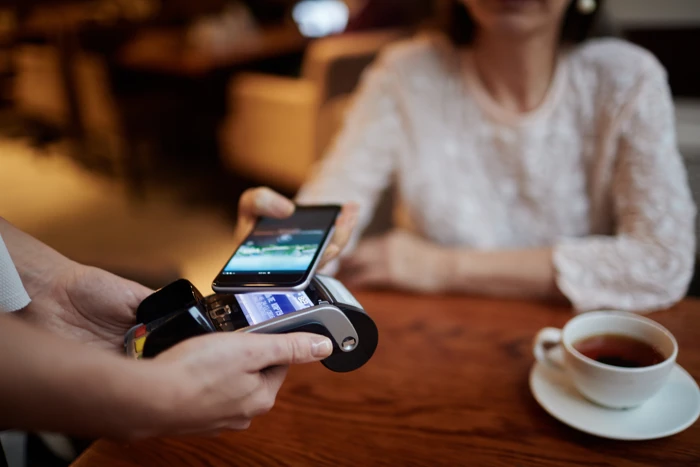
Two decades ago, chip and pin felt positively futuristic. Now, most of us barely break stride at the checkout before tapping a card, waving a phone or approving a payment on a smartwatch we forgot we were wearing.
Despite this, cash is quietly refusing to disappear, with increasing numbers of people choosing cash. In fact, Nationwide recently revealed that cash withdrawals from its ATMs reached £4.2 billion in 2025, surpassing the previous £4 billion high set back in 2017.
That might seem surprising in a world of self-checkouts, digital wallets and shops that look mildly inconvenienced when you hand over an actual banknote.
In Jersey, the conversation around cash has become increasingly relevant too. A recent States Assembly review found that many islanders still value being able to pay with cash, particularly for budgeting, privacy and accessibility reasons. Politicians recently backed measures aimed at protecting cash payments across the island, amid concerns that Jersey could “sleepwalk into a cashless society”.
And the public appears to agree. A recent Jersey Opinions and Lifestyle Survey found that more than two-thirds of islanders had used cash to pay for something within the previous month, while 77% believed businesses should still be required to accept cash.
This raises an interesting question: are the people still using cash actually onto something?
Using cash could make you think harder about your spending decisions
There’s something psychologically different about handing over physical money. Tap your phone and the transaction barely registers. Buy lunch, a coffee and “just one thing” from Boots and somehow £27 vanishes into the digital abyss.
Cash, on the other hand, has presence and it’s harder to convince yourself that you’re “basically saving money” when you can literally watch three £20 notes disappear buying dinner and drinks.
That’s one reason many people still use cash as a budgeting tool. Withdraw a set amount for the week and, once it’s gone, it’s gone. No accidental overspending, no quietly shifting money around between accounts while pretending it all balances out.
Digital payments are convenient, almost too convenient
Of course, paying by card or phone does come with undeniable advantages. It’s fast, secure and convenient. And, for many of us, far easier than carrying cash around.
Banking apps now let you freeze cards instantly, track spending in real time and divide your money into separate pots for bills, holidays or everyday spending. Some banks even help categorise purchases automatically, which can be mildly alarming after a month of takeaway deliveries.
Many people also benefit from cashback offers, reward schemes and credit card perks, provided balances are cleared each month and debt doesn’t start quietly accumulating in the background.
Virtual cards add another layer of protection
If you already prefer paying digitally, virtual cards are becoming increasingly popular too.
They work much like Apple Pay or Google Pay, but offer an additional layer of security by masking your actual card details.
They can be particularly useful when signing up for subscription services, ordering from websites you haven’t used before, booking holidays or spending overseas or using delivery apps and online retailers.
Additionally, some virtual cards are disposable, meaning the card details automatically expire after use. Helpful if you’d rather not spend the next six months wondering why three different subscriptions are still charging you £9.99 a month.
So… cash or card?
Realistically, most of us will continue using a mixture of both.
Cash still has clear strengths when it comes to budgeting and controlling day-to-day spending. Digital payments offer convenience, flexibility and security. The important thing isn’t necessarily how you pay, but whether your spending habits are helping or hindering your long-term financial goals.
Get in touch
Spending and budgeting form the bedrock of good financial planning, and with more payment methods emerging, you may wish to rethink how you handle your regular payments.
If you’re interested in learning more about how reviewing your spending habits could help to boost your long-term financial plan, you can contact us by emailing financialplanning@titanwci.com or calling us on 01534 724241.