

There is no shortage of headlines about artificial intelligence. It seems like every day brings a new prediction that AI will transform industries, replace jobs and fundamentally change how we work. Technology companies are investing billions into AI development, while simultaneously reducing headcount and restructuring their businesses around the opportunities the technology presents.
For investors, AI has become one of the defining themes in global markets. It has driven significant market performance, fuelled record levels of capital expenditure and sparked debate about which companies stand to benefit most. As with any major technological shift, separating reality from hype is becoming increasingly important.
AI is undoubtedly changing the workplace, but the narrative that it will replace the full breadth of human capability is far less convincing.
Corporate profitability remains strong. Around 84% of S&P 500 companies beat earnings estimates in the first quarter, the highest beat rate since 2021. Businesses generating record profits have every incentive to retain talented employees and use technology to enhance productivity rather than simply eliminate jobs.
That said, job cuts are occurring, particularly within the technology sector. Companies such as Meta, Oracle and Cisco have all announced workforce reductions while simultaneously increasing investment in AI-related infrastructure and development. Whilst some of this reflects a correction from pandemic-era over-hiring, it also highlights a broader shift in capital allocation towards technologies expected to drive future growth.
Much of the attention has focused on the companies building AI models, manufacturing advanced semiconductors or providing cloud infrastructure. These businesses have been among the largest beneficiaries of investor enthusiasm. However, history suggests that the greatest long-term opportunities often extend well beyond the companies developing the technology itself.
The internet transformed the global economy, but not every early internet company became a successful investment. Artificial intelligence is likely to follow a similar path. Whilst the infrastructure providers may continue to benefit, some of the biggest winners could be businesses that successfully use AI to improve efficiency, reduce costs, enhance client experiences and strengthen competitive advantages.
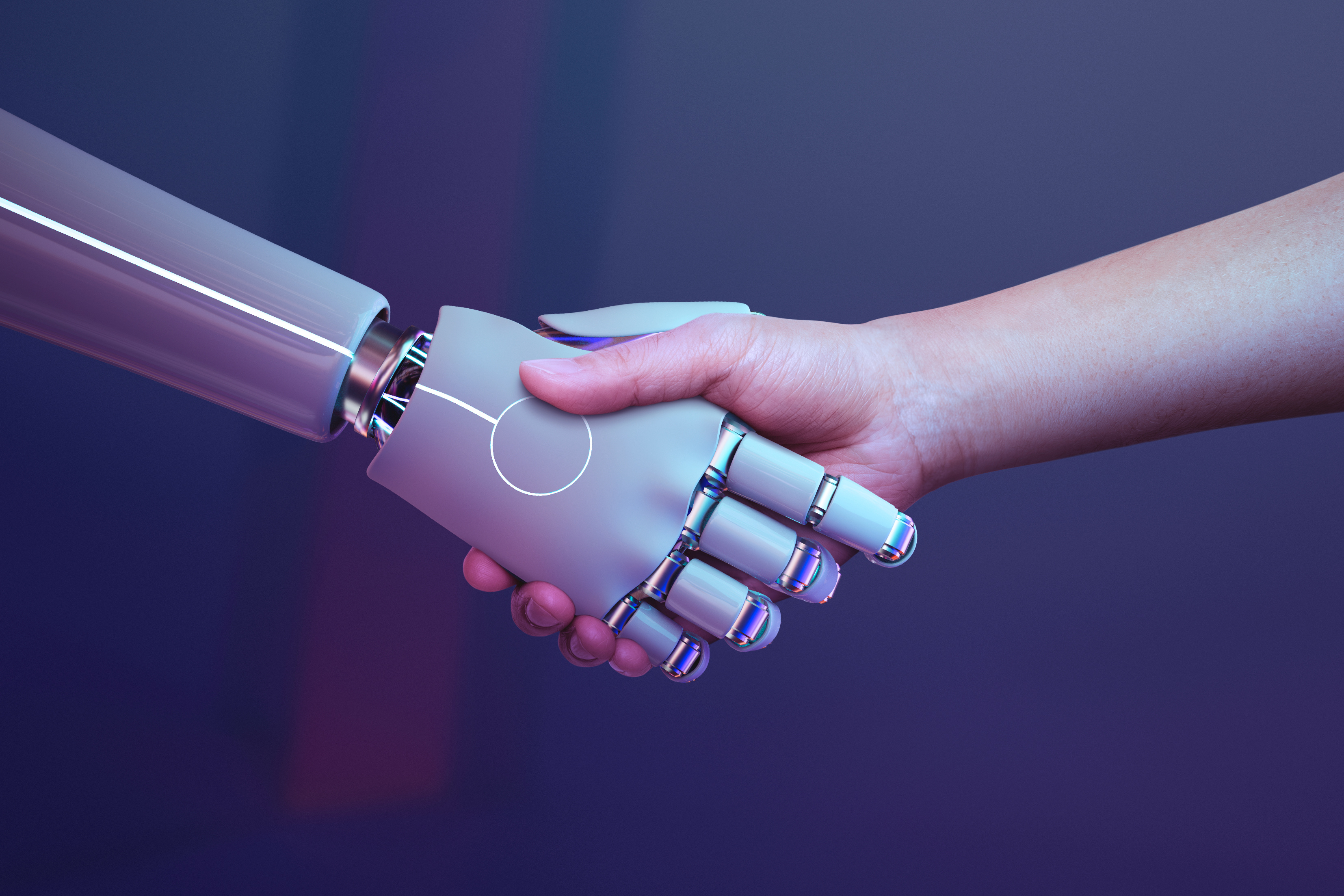
However, this trend doesn’t mean that every sector, every role and every human function is about to be automated into irrelevance.
Think about the last time you contacted a company for help with a problem and were routed through to a chat bot – how did it go? For most people, the honest answer involves a significant amount of frustration. The bot gave a templated response that didn’t fit the situation and looped endlessly through the same unhelpful options. For many people, the experience is frustrating.
The relationship between a business and its clients is built on trust and trust remains fundamentally human. Chatbots do not build trust. At their best, they handle simple transactional queries efficiently. At their worst, which is most of the time when complexity enters the picture, they erode the very goodwill a company has spent years cultivating.
Beyond customer service, the importance of human relationships runs through the majority of professions (think of a doctor delivering difficult news, an employee who spots another employee’s struggles at home, a financial adviser discussing a client’s problems). These roles aren’t about information processing, they are about human connection, contextual judgement, emotional intelligence and earned trust.
Sure, AI can support each of these professions enormously, by scanning or sorting relevant data, flagging patterns and easing administrative load. However, what it can’t do is sit across a table from another person and make them feel genuinely seen and supported.
This same logic applies in business relationships, in leadership, in negotiation, in mentorship. Professional life is woven through with interactions that depend on personality, cultural alignments and the common-sense intelligence that no language model can replicate.
AI is an extraordinarily powerful tool and one that everyone can utilise to improve efficiencies. This tool’s greatest value lies in what it enables skilled humans to do, not in what it does instead of them. The professionals or businesses who will thrive in the coming decade are not those who resist AI out of fear, nor those who defer entirely to it out of complacency. The winners will be the ones who develop an understanding and/or relationship with these tools, the ones who know when to use them and how to interrogate their outputs.
Ultimately, the future is unlikely to be human versus AI. It is far more likely to be human and AI working together. For businesses, this means combining technology with talent to improve productivity and service. For investors, it means identifying companies that can harness AI responsibly and profitably whilst maintaining the qualities that have always driven long-term success: strong leadership, trusted client relationships and sustainable value creation.