
Of all the Billy Joel songs that might soundtrack last week's American midterm elections, “We Didn't Start the Fire” seems the obvious choice. Yet I keep returning to another of his songs, “Vienna”. It asks us to remember what all the worrying is for.
Decisions made far from the people they affect can sometimes feel entirely unreal. Their consequences, unfortunately, are anything but. American voters made that point rather forcefully at the ballot box. Democrats swept control of both chambers of Congress, securing at least 54 seats in the Senate's Democratic caucus and more than 250 in the House.
Trump returned to the White House promising cheaper living, secure borders and an end to costly foreign entanglements. Instead, Americans have encountered tariffs, a war with Iran and renewed pressure on household budgets. The results look like a rejection of his administration, though whether they also constitute an endorsement of everything Democrats propose is another matter.
So, let’s explore these midterms. Why did Republicans lose? What changes as a result? And what can we all take away?
Why did Republicans lose? The people behind the numbers
There is a familiar temptation to explain electoral defeats through ideology and messaging. But the simpler explanation is often sitting in the shopping basket, or lack thereof. A healthy GDP figure offers little comfort to somebody working out which bills can wait.
Trump promised to avoid costly foreign conflicts, only for the war in Iran to push fuel costs higher. A Reuters/Ipsos poll found 71% of Americans wanted Congress to pass legislation ending the fighting, including a narrow majority of Republicans, while nine in 10 wanted the cost of living to be a priority for the new Congress.
Indeed though, discontent was not confined to just prices. The administration's immigration crackdown troubled voters concerned about its methods, while arguments over America's relationship with Israel divided people who had previously supported Trump. Vice President JD Vance himself has linked the Republican defeat to the Iran war and those ties.
There was also an issue of appearances. As families absorbed higher costs, the president pursued a succession of architectural and cultural projects around Washington, which included a costly renovation of the Lincoln Memorial Reflecting Pool, which exceeded $16 million. As you’d expect, a family worrying about making next week’s payments notices what receives attention and what does not.
It helps explain the appeal of populism across the political spectrum: the feeling that those making decisions are increasingly remote from those living with the consequences. More and more, politicians are being held accountable.
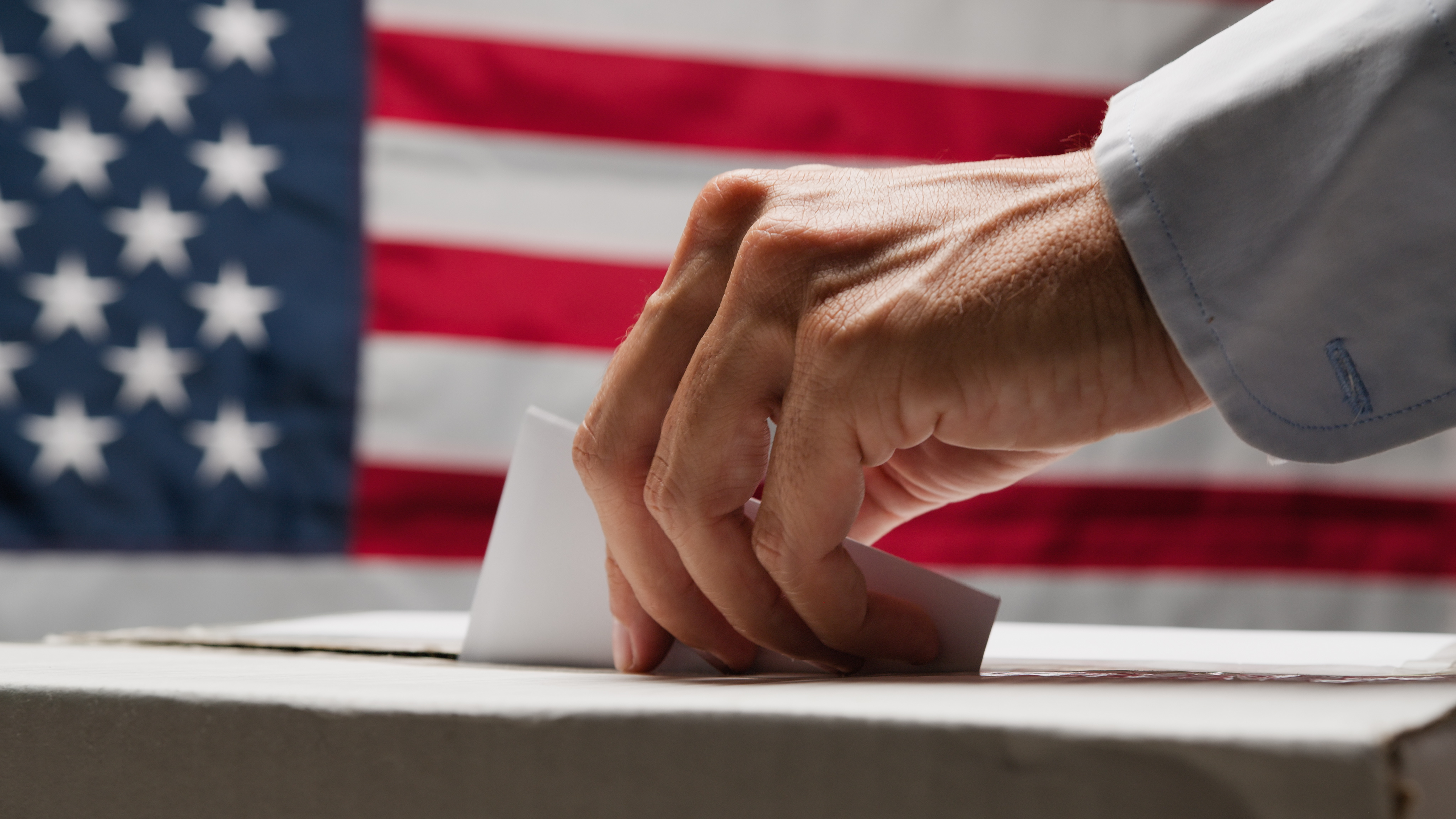
What changes as a result?
Democratic control of Congress from January changes the practical balance of power. Committees will gain the ability to summon witnesses and demand documents. The Senate can block nominees, including a future Supreme Court justice. Legislation will require negotiation, although Trump's veto and the Senate's 60-vote threshold for most bills will make substantial compromises difficult.
Greater congressional scrutiny of the Iran war could have implications well beyond Washington. A Congress willing to constrain the Iran campaign could change the outlook for oil, defence budgets and the energy costs that helped decide this election.
Separately, even the dispute over data centres was fundamentally about accountability. Bloomberg reports that roughly 40% of planned US data-centre capacity is in states where incoming governors have promised pauses or restrictions. Residents worry about electricity prices, water use and whether the promised prosperity will reach their communities. The political backlash reflects an increasingly familiar demand that technological investment must deliver tangible local benefits. However, there is a balance required, as a permanent halt risks losing investment and employment to other states.
Looking forward, the immediate scramble for the next presidential contest has already begun. The Vice President is seeking to distinguish his brand of economic nationalism and foreign-policy restraint from some of Trump's more unpopular decisions and Marco Rubio, another potential 2028 contender, has been the subject of reports that he might leave the administration.
Democrats have their own version of the political manoeuvring to deal with. Their new senators range from progressives to pragmatists elected in traditionally Republican states. They may agree that Trump's approach failed without agreeing on what should replace it. Those demanding investigations and those demanding immediate relief on healthcare and living costs must somehow find a common programme.
Between now and the next presidential election, however, there are still two years of Trump's presidency to navigate. Ordinarily, a lame-duck president begins to fade into the background, increasingly concerned with securing their legacy, but Trump is hardly an ordinary president. There is every possibility that electoral defeat will make him more emboldened rather than restrained.
And while Democrats will soon have greater powers to scrutinise and obstruct the administration domestically, the president retains considerable freedom in foreign affairs. Congress can challenge his decisions, particularly through control of government spending, but it cannot simply wrestle foreign policy from his hands.
So, a president with little prospect of passing significant domestic legislation, no re-election campaign and an apparent inclination to double down rather than compromise could make for an unpredictable final two years. The election may have weakened Trump's political position, but it has certainly not rendered him powerless.
My takeaway? Remembering Vienna
We Didn't Start the Fire may describe the headlines, whilst Vienna offers a better perspective on how to live alongside them. Spend time with family, make room for friends, notice the world beyond a screen. We ought to insist that democracy and the economy serve our lives, not that our lives are spent serving them.
That is where our responsibility as active investment managers comes in. We are entrusted with people's hard-earned money and paid to do the work, to understand the political and economic changes, examine companies carefully, weigh the risks and make thoughtful investment decisions.
No manager can eliminate uncertainty or promise a particular outcome. But taking that responsibility seriously should mean clients have one less demanding thing on their plate, and more time for the things that really matter.