
For the past decade, investors benefited from a world built on efficiency. Cheap labour, cheap energy, cheap money and, increasingly, global supply chains helped keep inflation low and supported corporate profitability. But today, many of the forces that sustained it have gone into reverse and the shocks of the past five years have exposed the vulnerabilities of that model and triggered a fundamental shift in how economies operate.
Prior to the pandemic, the global economy was characterised by a number of key features. Western economies increasingly relied on globalisation to reduce costs and improve efficiency. Manufacturing shifted towards China, energy dependence increased on overseas suppliers and security was underpinned by longstanding defence alliances. This helped produce a period of low inflation but also created structural vulnerabilities and growing dependence to those outsourcing partners.
In Asia, excess savings built up in the wake of the financial crisis in 1997. Much of this capital was invested in US Treasury bonds and German Bunds, helping to push down Western government bond yields and allowing countries to borrow cheaply for many years. America borrowed to cut taxes and boost growth, helping it establish a lead in key technologies such as cloud computing, while Europe borrowed to fund social programmes.
The result was a period of low inflation, modest growth and sustained US equity outperformance. Investors enjoyed an environment where capital was abundant, borrowing costs were low and US technology companies were among the biggest beneficiaries.
Then came the shocks that changed it.
The pandemic, followed by Russia’s invasion of Ukraine, upended this economic order. The dependencies created by global outsourcing became clear vulnerabilities in a more uncertain world. Supply chains proved fragile, energy security became a strategic concern and governments around the world began reassessing long-held assumptions about resilience and self-sufficiency.
The need to reshore key industries, strengthen defence capabilities, build AI infrastructure, develop trade infrastructure and modernise energy systems has created a huge demand for investment, with demand for capital now exceeding supply. The result is greater competition for capital, higher interest rates and rising costs for the commodities, materials and infrastructure needed to support this investment.
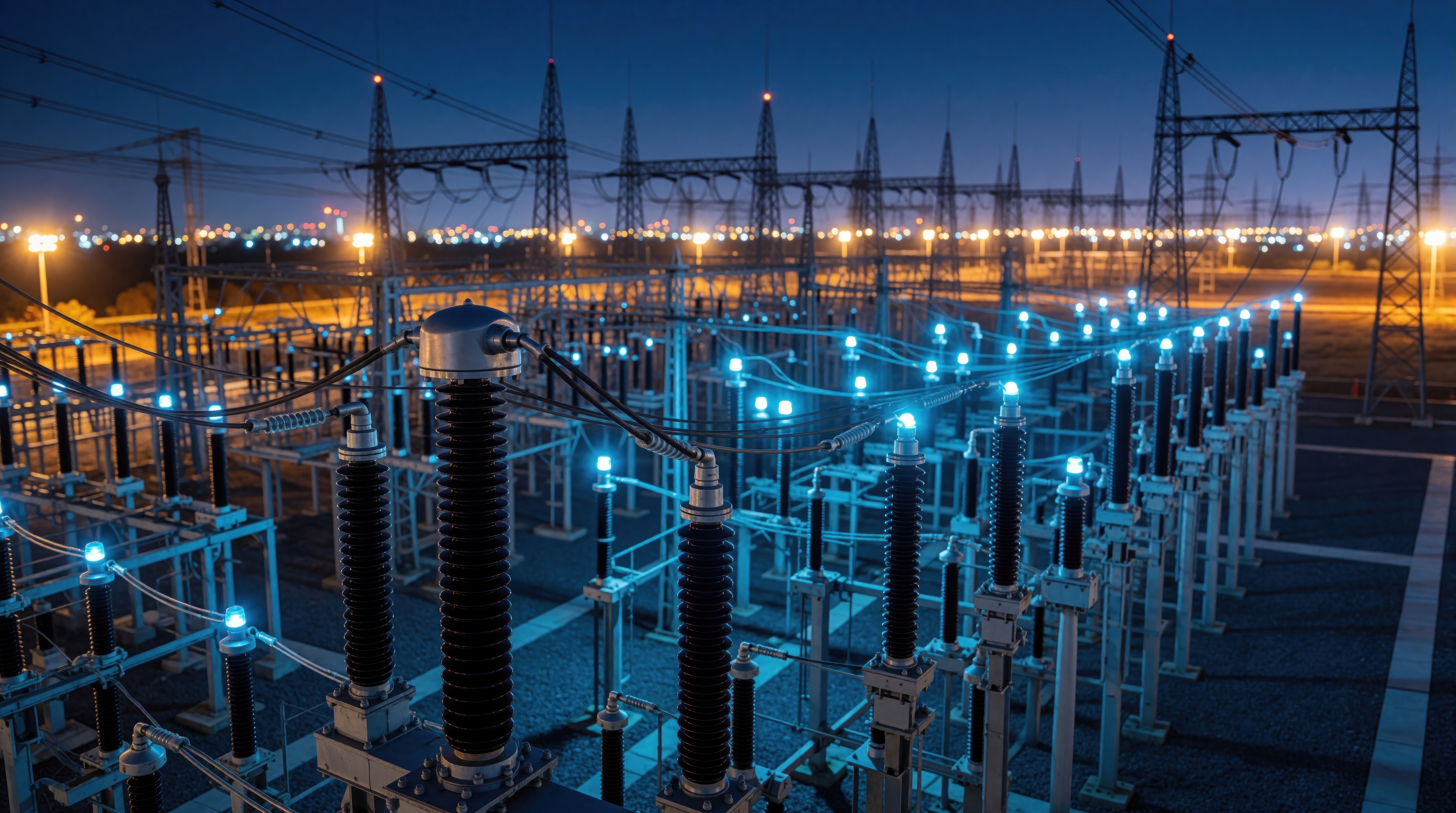
Germany’s commitment of €500 billion to additional infrastructure and defence spending is just one example of a broader trend. The US is no longer the only major spender and certainly does not have the strongest balance sheet to support it. Governments and corporations alike are investing heavily, often simultaneously.
This has produced a new world in which:
• Borrowers compete for scarce capital, driving up the price of money
• Projects compete for scarce resources, driving up commodity prices
• Capital is increasingly being repatriated from debtors, such as the US, to creditors, including parts of Asia
For corporate earnings, however, this more chaotic world may not be a bad thing.
While the environment may appear more volatile, building factories, expanding power networks, strengthening defence capabilities, developing AI infrastructure and securing supply chains all require significant spending. That spending creates demand, and demand supports revenues and profits.
However, the beneficiaries may not be the same businesses that flourished during the previous era. A world focused on infrastructure, industrial investment and resource security may favour more physical industries, including technology hardware, industrials and commodities, rather than the capital-light technology firms that dominated markets for much of the last decade. The fact that the UK stock market, which has greater exposure to sectors like energy, mining and financials, has kept up with the US market in recent years is evidence of this shift.
But an environment that is good for earnings is not necessarily one without risk.
The world where weak growth was the principal risk to markets has gone. In its place, a different set of risks are emerging, including:
• Asset bubbles
• A slowdown in capital expenditure, particularly around AI
• Entrenched inflation
• Fiscal crises
Navigating these competing opportunities and risks is likely to be one of the key challenges for investors over the coming years. Understanding which sectors, regions and businesses stand to benefit from this changing landscape will be critical as the global economy adjusts to a new era and our investment managers are keeping a close eye on these evolving trends and what they could mean for portfolios.