
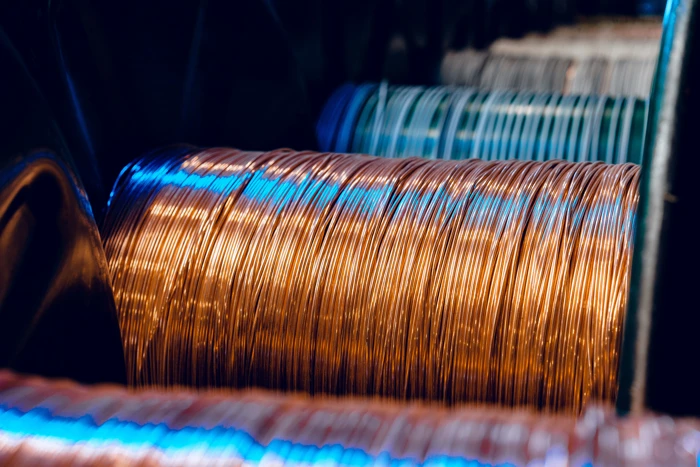
For those who follow our commentary and attend our presentations, you may recall me arguing that we are entering a new bull market in commodities. Commodity markets tend to move in cycles. When supply exceeds demand, prices fall and investment in new supply is often reduced to protect cash flows. The effects may not be obvious at first, but eventually stronger demand begins to expose the consequences of that underinvestment as supply fails to react.
We saw this in the early 2000s as China's rapid industrialisation drove demand for raw materials sharply higher. Today, the drivers are different but potentially just as powerful. Artificial intelligence, energy security, electrification, grid investment, reindustrialisation and rising defence spending all require vast quantities of physical materials. One commodity sitting at the centre of many of these trends is copper.
Humans have been using copper for thousands of years, initially for ornaments, jewellery and simple tools before it became one of the defining materials of the Bronze Age. More recently, its most important role has been in conducting electricity and, due to a number of highly attractive properties, it is the conductor of choice for many electrical roles.
Due to its versatility, the demands on copper are growing and the International Energy Agency estimates that copper demand could increase by around seven million tonnes between now and 2040. More importantly, it estimates that available supply could fall approximately 25% short of requirements by 2035.
The problem is not that the world is running out of copper, but rather that a significant physical deficit may be looming, which my colleague Will Peatfield also wrote about in a recent article. While there is plenty of copper in and over the ground, the problem is getting it out economically – obtaining permits, building the infrastructure and then processing it into something useful all take time and capital. On average, a new copper mine can now take around 17 years to move from discovery to production.
Read: The metal behind the megawatt
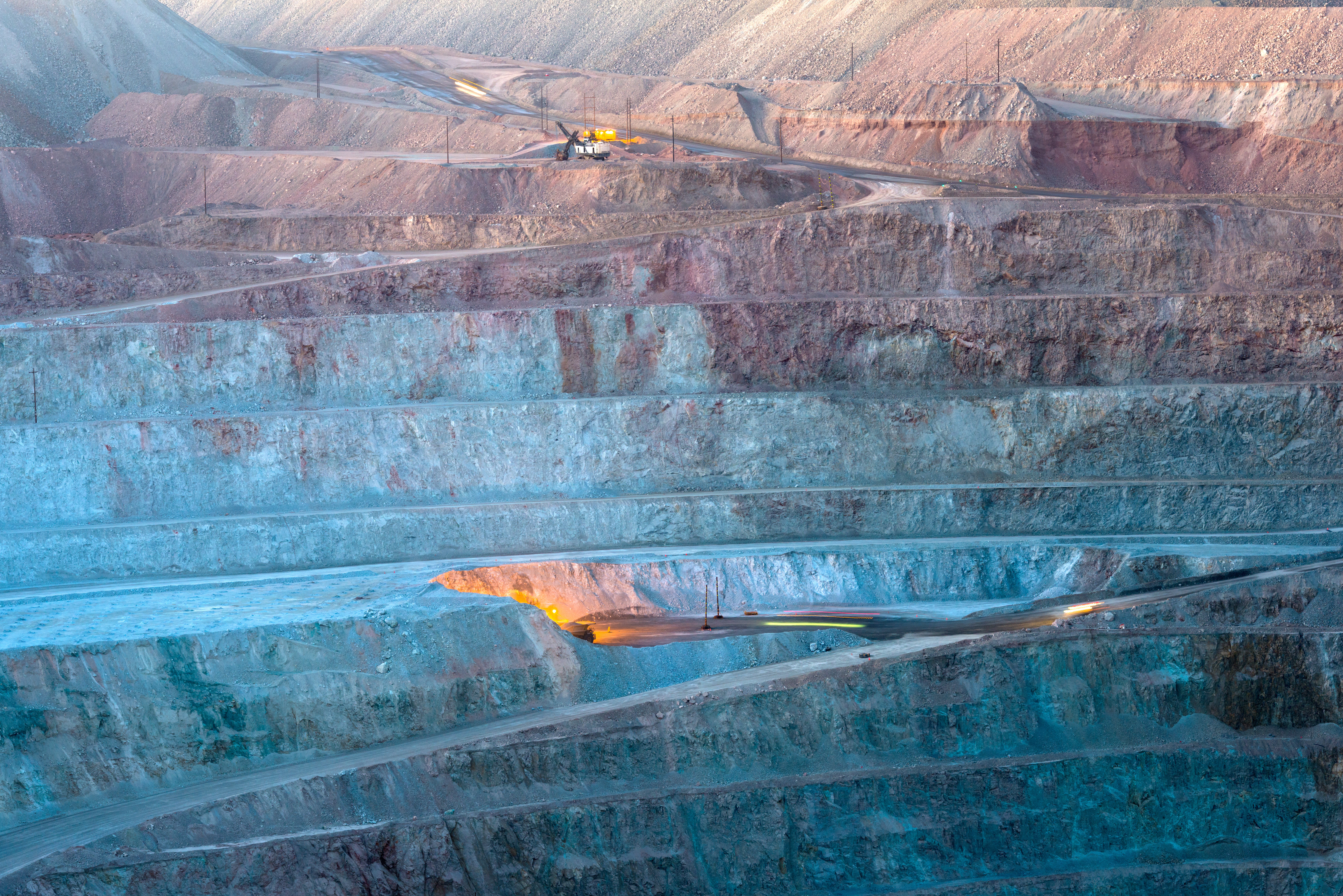
Large mining groups increasingly see the opportunity in owning more copper, but discovering a new deposit does not solve their immediate problem. A discovery today may not become a producing mine for many years. Buying a company that already owns a high-quality resource with permits and infrastructure already in place is often a considerably more economical solution.
M&A activity in the sector is picking up. For example, a proposed merger between Anglo American and Teck Resources would create one of the world’s largest copper producers and leave the combined business with more than 70% exposure to copper.
Acquisitions, however, don’t create more copper – they simply change ownership and the right to monetise it. If established miners believe developing new supply is too expensive, too slow or simply too difficult, then existing deposits become increasingly valuable strategic assets. Premiums – the amount above fair value a suitor is willing to pay – are rising steeply in the current climate.
The direction of travel seems fairly clear. The world wants to build more data centres, electricity networks, factories, renewable generation and defence infrastructure. Almost all require copper. J.P. Morgan estimates that data centres alone could consume around 475,000 tonnes in 2026, while S&P Global estimates that total copper demand could rise from around 28 million tonnes today to 42 million tonnes by 2040. Without significant additional investment, it estimates the resulting shortfall could reach around 10 million tonnes annually. However, as we have already noted, new mines take time to bring on line.
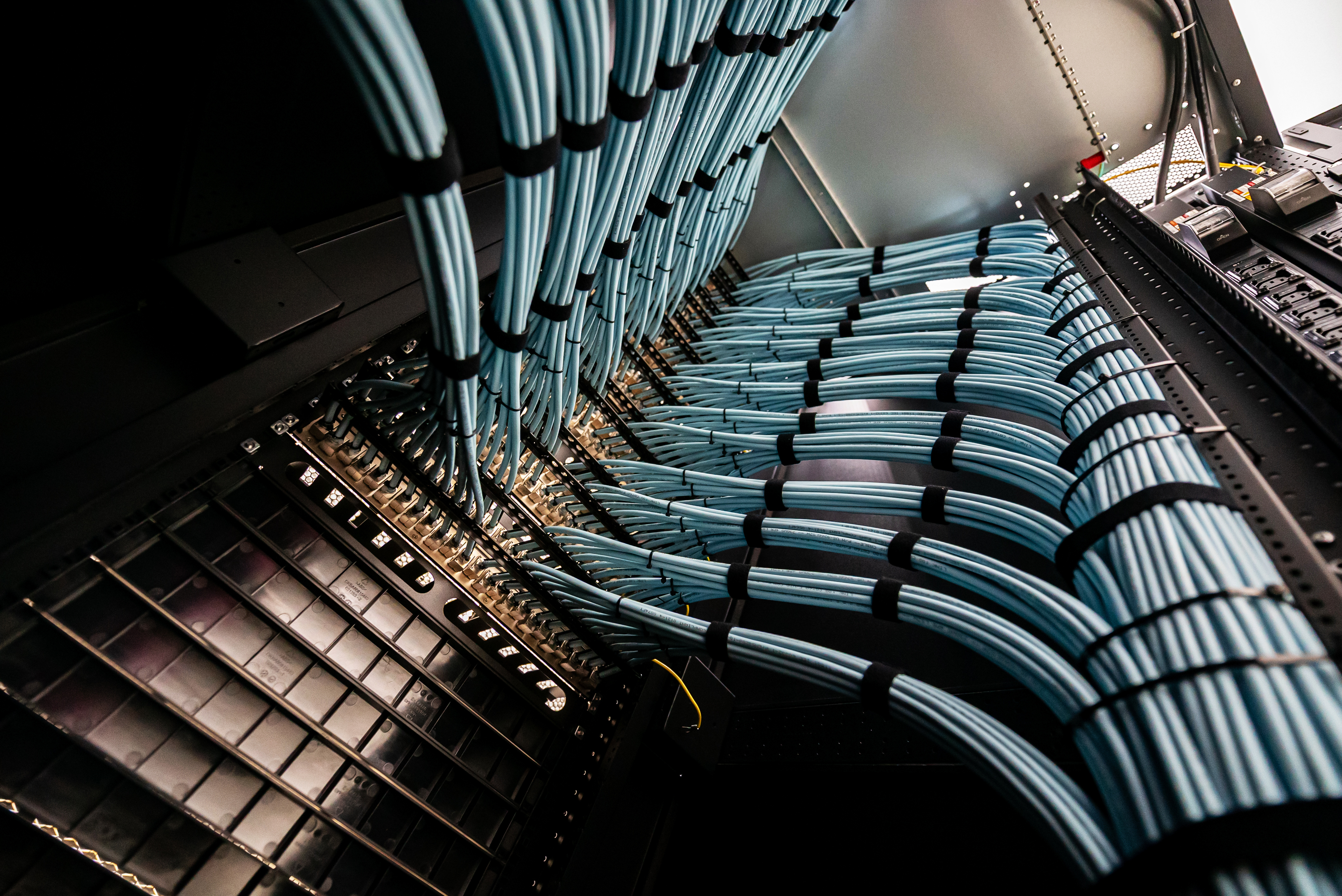
Chile provides a good example of why that gap may be difficult to close. The country remains the world’s largest copper producer, accounting for more than one-fifth of global mine production. Yet output fell 13.8% year-on-year in April, while production over the first four months of 2026 was nearly 8% lower than a year earlier. Declining ore grades are just one of the challenges facing an industry in which replacing depleted production is becoming slower and increasingly expensive.
That is the paradox at the heart of the copper story: demand is accelerating precisely when the supply response is becoming slower, more expensive and more politically complicated.
This fits closely with one of the major themes within the Blue Chip Fund: the rebuilding of physical infrastructure and a greater emphasis on sovereign resilience.
Businesses such as Glencore provide exposure to copper and other strategically important commodities, while companies including Schneider Electric, GE Vernova and Caterpillar participate in the enormous investment required to turn raw materials into functioning electricity networks, data centres and industrial infrastructure.
Investors who do not want to take individual company risk can also access the theme through exchange-traded funds. Copper-mining ETFs spread exposure across a collection of producers rather than relying upon the fortunes of a single mine or management team. That can be particularly useful in an industry where operational problems, politics, weather or unexpected geological issues can have a significant impact on individual companies.
In an investment world often obsessed with what is new, one of the more interesting opportunities may therefore lie in a metal humanity has been using for several thousand years.